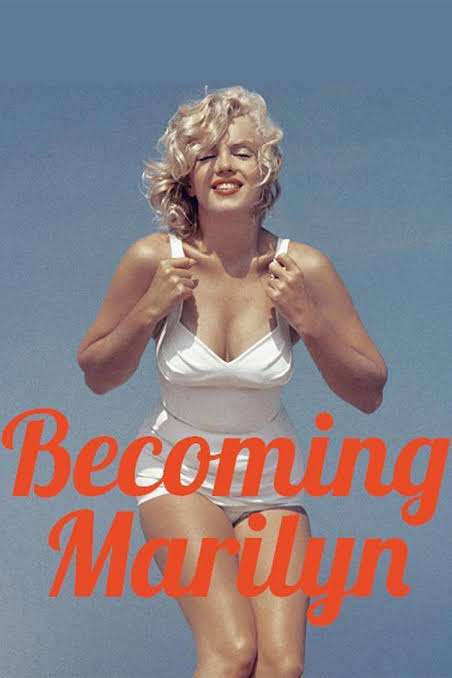
Michelle Dominici’s sensitive documentary charts the troubled upbringing of one Norma Jeane Mortenson, soon to be reinvented as Hollywood’s golden icon Marilyn Monroe.
What sets it apart from other documentaries (and there are countless others) is that she’s given her own agency here. All of the words are hers. There are none of the usual talking heads trotted out to repeat the same clichés ad nauseum. So we hear about her trauma of sexual abuse as a child, struggling within the care system, and her tentative path to stardom, all the time battling to be taken seriously in her own right as an actor, dancer and singer.
With such a difficult start in life (her mother Gladys was institutionalised when she was small) it’s incredible that she scaled such heights. Add to this jealous husbands (Joe Di Maggio was furious watching the famous billowing skirt scene in ‘The Seven Year Itch’ and his attitude cost her the breakdown of the marriage) various health conditions, control of her image by executives, and a reliance of proscription drugs, and it’s amazing she managed to get films made at all.

But she was a fighter, and determined to be seen in an industry that wanted to reduce her to curvy bimbo roles. Look at Henry Hathaway’s glorious film noir ‘Niagara’ where she played against type as Rose, a cold -hearted adulterer. Or her brilliant comic turns in ‘Gentlemen Prefer Blondes’ and ‘Some Like It Hot’ where she more than held her own alongside Jane Russell, Tony Curtis and Jack Lemmon. Her timing and zingers still hold up to this day.
It’s easy to regard Monroe as another victim of the 1950s system. But whether starting up her own production company or calling out segregation (she was friends with Ella Fitzgerald and demanded she had equity as a Black performer) she was in so many ways ahead of the pack. There’s only one Marilyn Monroe, and her staying power has many elements to it.
This documentary calls out the abuse, but doesn’t dwell on it. It’s remarkably even-handed: not one for the doom-scrollers, but neither is it an exercise in sugarcoating the harsh Hollywood industry. It feels both incisive and timely.

