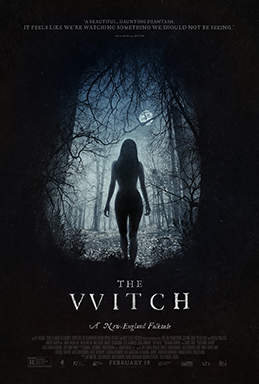
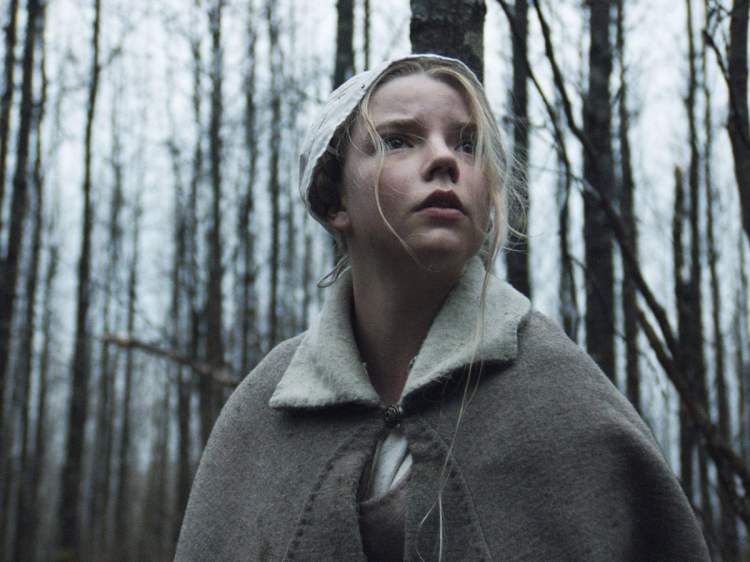
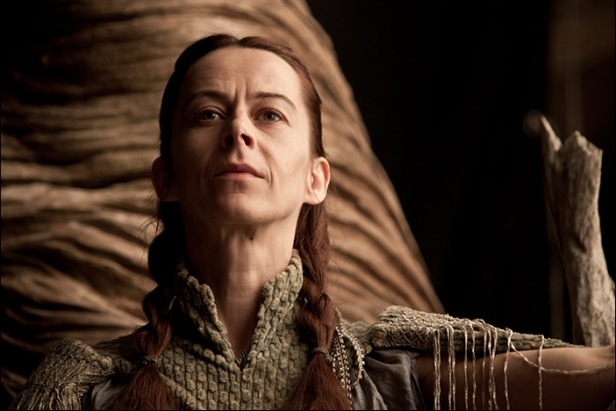
Anya Taylor-Joy (above) as Thomasin and Kate Dickie (below) as her mother Kate.
Robert Eggers doesn’t make conventional mainstream period films. Instead, like a spider spinning a complex, intricate web, the director creates moody pieces which mess with your subconscious state , unfurling at a stately pace. ‘The Witch’, set in the 1630s, has an impeccable sense of time and place, a foreboding in themes that nonetheless cannot help but chime with modern audiences: swap heresy for controversial social media clips going viral, and you get the general tone.
A family of Puritans are exiled to New England for clashing with an orthodox church. Ralph Ineson is the patriarch William, whose prideful attitude has them ousted. Kate Dickie has the role of long-suffering mother Kate, and their older children Thomasin and Caleb are portrayed by respectfully, Anya Taylor-Joy and Harvey Scrimshaw.
While babysitting Kate’s newborn Samuel, Thomasin is horrified when her baby brother goes missing. Soon, the paranoia of the times spreads like fever and eats away at the family, and supernatural horror turns a new homestead into a waking nightmare.
Rife with symbolism and dread in the most seemingly innocuous of locations, the film’s subtlety lies in its quietude. As with all the best folk horror, it’s not the jump scares that get you, but rather the quotidian stuff of life. A simple forest can portend terrible things. It’s not always things in the dark that can destroy you, but the darkness within humanity itself.

