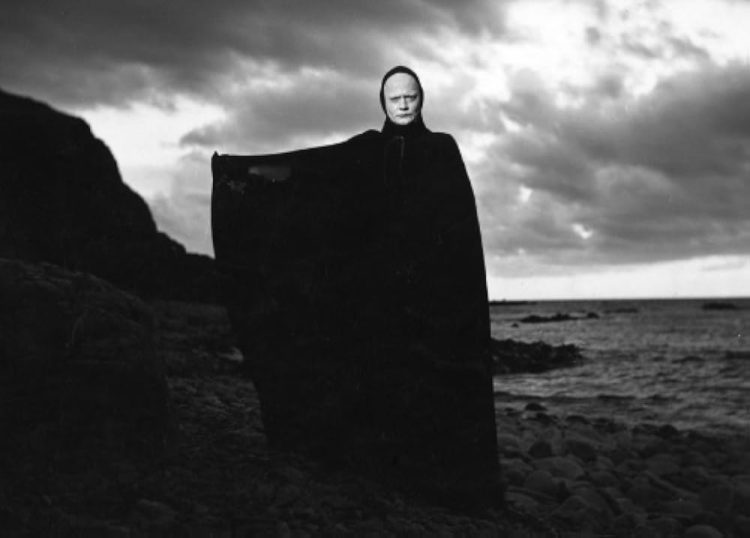
A classic film which I- to my shame- finally caught for the first time last night, Ingmar Bergman’s film, meditating on death, life, spiritual emptiness, creation and purpose, sounds like an example of European doom on paper. But it’s multifaceted, with bawdy humour, lovely monochrome expressionism -inspired cinematography from Gunnar Fischer and a wonderful, lively cast.
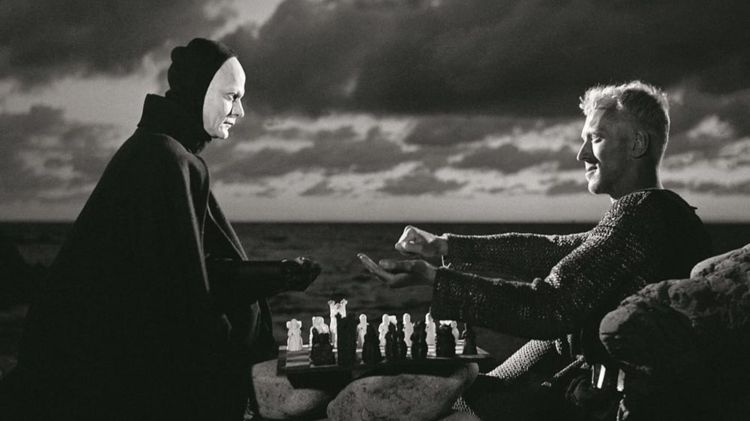
Set during the dark days of the Black Plague, the townspeople of rural Sweden are trying to evade death, filling their days with wine, food and acts of folly. But when the very real figure of Death, portrayed by Bengt Ekerot, visits the knight Antonius Block (Max Von Sydow) he stares Death in the face and brokers a deal- if he can beat him at chess, he will be spared from mortality a little longer.
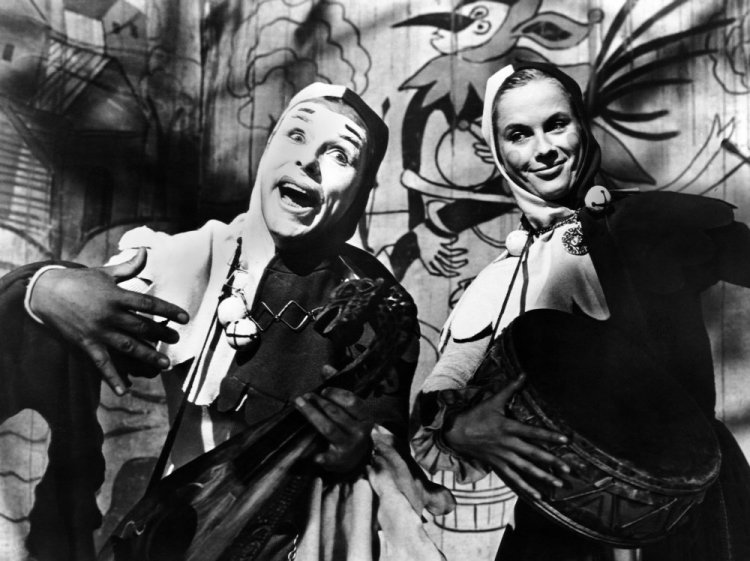
On the more frivolous side, a travelling troupe of actors, headed up by Mia (Bibi Andersson) and Puckish Jof the Acrobat (Nils Poppe) arrive in town to entertain the locals and provide a distraction from the infection killing the populace.
Of course, we may draw parallels between the parties being held during COVID in the UK , and this storyline proves that great art is eternal, but what sets Bergman apart is his true understanding of human nature: of kindness, arrogance, foolish behaviour and cruelty during the hardest times.We don’t always act in our best interests.
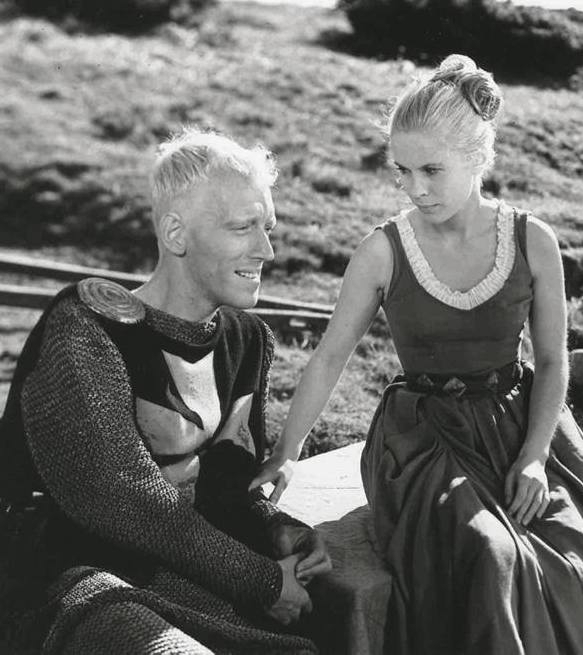
The script’s wry lyricism reminded me of Ubu Roi -both in its searching for meaning , deep joys and terrible spite, as good and bad people are pitted against each other. It suggests that even in a secular society, there can be meaning and kindness in the most unexpected corners, and in facing our fears head-on, we become noble. Even the ending, while ambiguous, provides a few crumbs of hope. Bergman said he was obsessed with death at this stage, despite being only 39 at the time, and felt a strange comfort in confronting these feelings. It’s a strange, singular, beautiful film, with its own internal logic. His midlife crisis is our gift.

