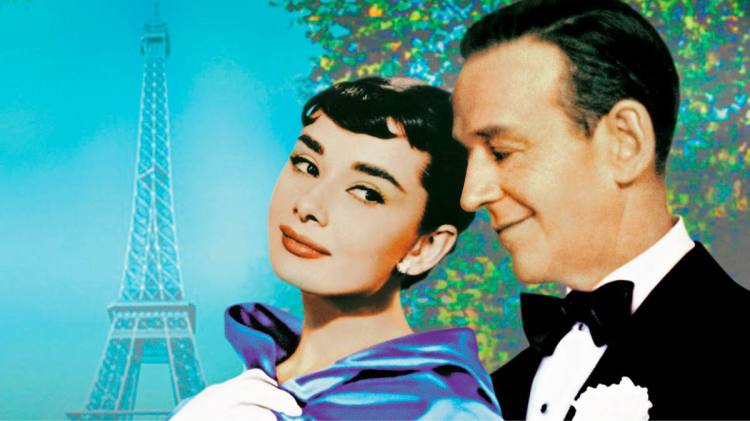
Before ‘The Devil Wears Prada’ , another film looked at an intelligent young lady willing to sell her soul to capitalism: Funny Face. Despite its feel -good posturing, there lies a deeply problematic film.
Stanley Donen was considered a Hollywood great, a director of great elan with the wit to back it up. This film, which was released in 1957, is visually stunning, with Technicolour set pieces to rival any of his more celebrated peers. Kay Thompson as Maggie Prescott, the prestigious editor of a fashion magazine, has a steely sense of self and is a proto-feminist figure of power and autonomy. She’s also a superb singer and dancer. There’s a sense of joie-de-vivre and a spirit of post – World War Two optimism.
Here’s where it gets tricky. Her right hand man, Dick Avery, portrayed by the legendary Fred Astaire, decides that the colour pink isn’t a viable concept for the magazine’s next project. Why not go with an intellectual? Because of course, beauty and brains are always mutually exclusive, according to the script. Who do they select- who is dowdy enough? Audrey Hepburn, of course.
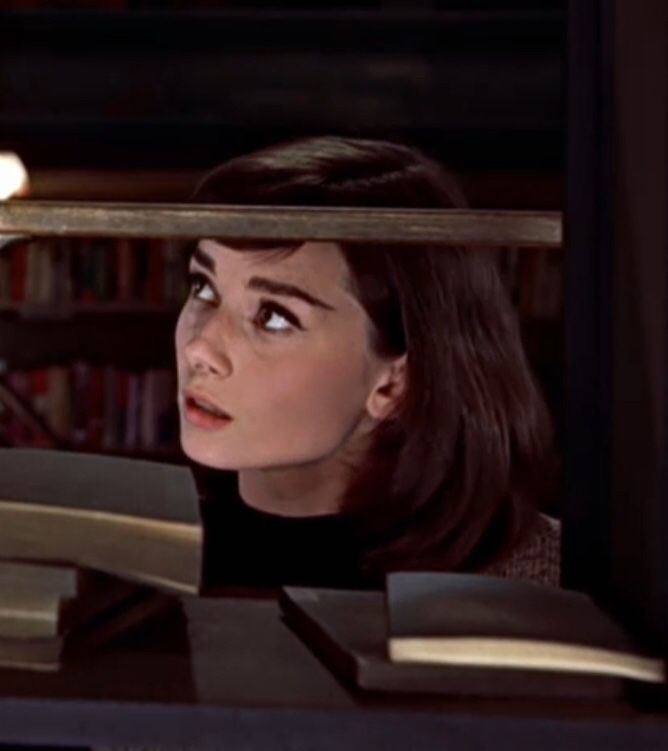
Yes, Ms Hepburn- who looks extremely young here in unflattering attire and long hair- is selected to be a new kind of model. As Jo Stockton, Hepburn does her usual pretty ingenue thing, with her sleepy vowels and big doe eyes. And after her bookstore is effectively ransacked by Avery and co, without her permission, she decides, possibly experiencing Stockholm Syndrome, that this shallow industry is for her, and conveniently falls for the predatory Avery, thirty years her senior. He could be her father, yet inexplicably, she finds him irresistible.
This would be bad enough, but throw in some iiffy cultural appropriation (Thompson and Astaire’s performance of the Gershwin song, ‘Clap Yo’ Hands’ featuring AAVE slang “chillun”, which would have been better sung by African Americans) a scene where a beatnik woman is slapped by her lover, and, delighted,leans over to kiss him, and a professor Jo is attracted to, who’s completely sleazy, and honestly – the film has dated like old milk.
There’s a real contempt for counter-culture intellectualism throughout, favouring conservative traditional values. Stockton is similarly mocked, like her beatnik friends.
It’s a real pity, as the cast are fine, and some of the song and dance routines hold up well. It’s a Gershwin soundtrack after all. Of course it’s easy to look at fifties fare through the current standards of society and modern film criticism, but these stereotypes were dodgy then, and remain so today. Also, remember, consent is a thing.

