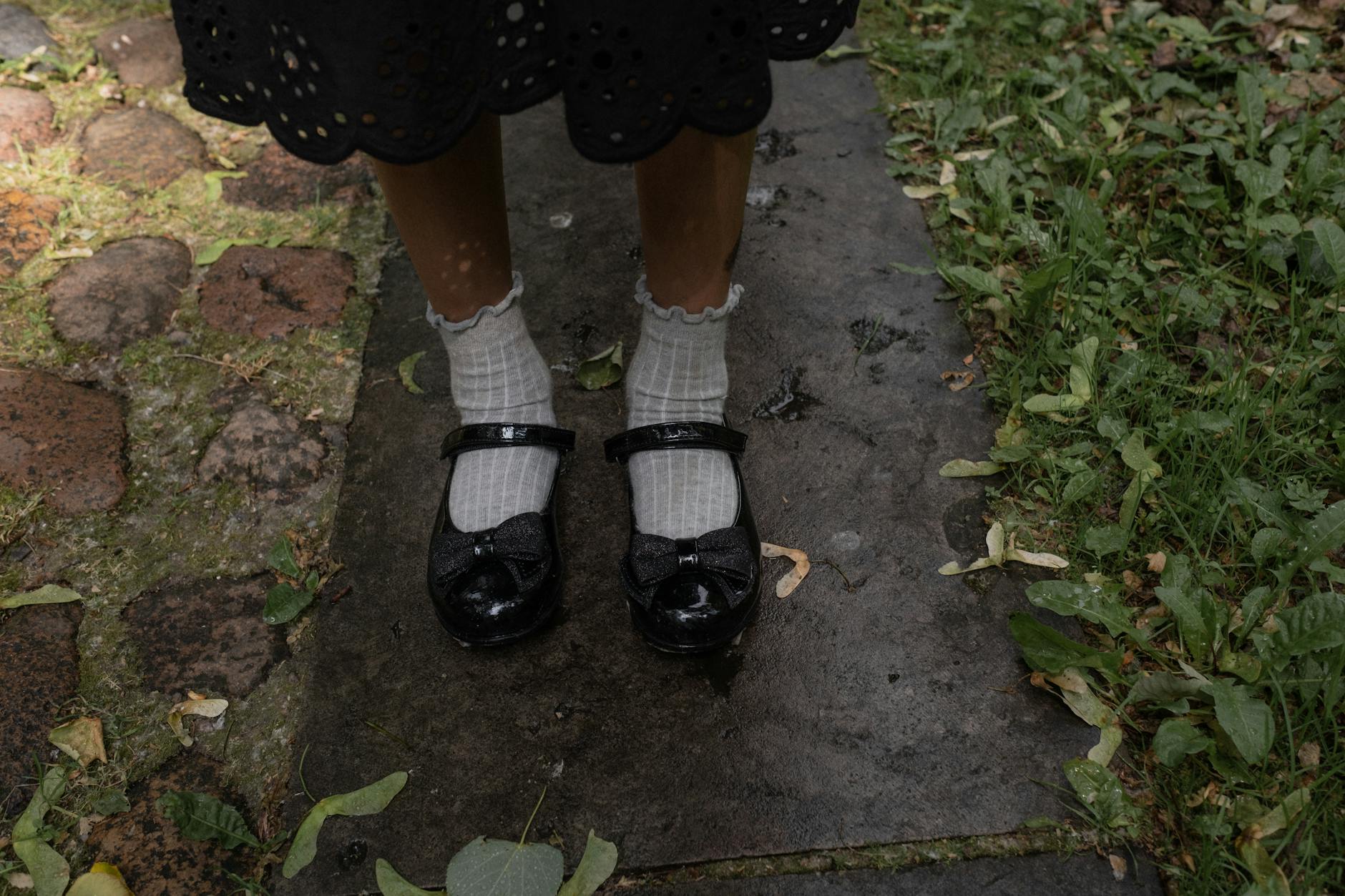
Kidcore; Jenna Ortega as ‘Wednesday’, ‘St Trinians’, ‘Pretty Baby’, Jodie Foster in ‘Taxi Driver ‘, a young Britney Spears, Natalie Portman’s early roles, Kawaii, groupie tales, sexy young models, schoolgirl strippers, Page 3 and of course, the book from which the fetish arose- these are all massive cultural touchstones for many fans of pop culture. But why have I been reminded of them recently? Hmm, I wonder ..
Seven years ago, Katy Dye toured her critically -acclaimed theatre production of ‘Baby Face’. It was a highly provocative performance art meditation on the “Lolita Problem”, the sexualisation of young girls and infantilism of adults. It was brilliant, asking people to evaluate what makes people attractive, how women must “stay young” in order to retain any power, and how it is often socially acceptable to treat girls as sex objects, often from an extremely young age.
Last year, the Epstein Files were finally released, albeit heavily redacted. And this year, as it became evident that the problem wasn’t going away, Trump’s response was of course to minimise the impact of the files, deny any genuine friendship with said convicted sex offender, invade Venezuela, then come up with “a peace plan”, before ICE agents shot Trump protesters on the streets. When asked about his association with Epstein, he deflected, saying,”You’re not still going on about that creep, are you?”
Uh, yes, big D, yes we are. Because many of us, some of whom are survivors of abuse, feel triggered when art or politics, or society in general, attempts to justify leering over children – and it’s rarely boys, let’s be honest here.
Whether the “who killed Laura Palmer?” rape, murder and incest storyline in ‘Twin Peaks’, or Mena Suvari’s teen girl being leered at by Kevin Spacey’s middle-aged man in ‘American Beauty’, the older man/little girl dynamic has a lot of cachet and doesn’t seem to be ending anytime soon, despite how upsetting the unequal power dynamic is for those who experienced it firsthand in their youth. Youth sells everything after all, and older women are often rendered invisible.
Woody Allen, Gary Glitter and Roman Polanski may be social pariahs these days, but in their heyday, nobody seemed to bat an eyelid. It was romantic! Age gaps were fine! After all, Doctor Freud, don’t many little girls have a daddy complex? They were “wise beyond their years”, “looking for a protector”, etc. Never mind that the older man was a predator, not a safe space- that was dismissed as being simply how things were, or the classic enabling line, “it was a different time”.
Whether or not Epstein’s elite of powerful men are held to account for their alleged heinous crimes (and the accusations are truly horrifying) remains to be seen, but we can only hope so, should they be found guilty.
In the meantime, I’d like to see the representation of older women in fashion, music, film, and literature- because lived experience is often more interesting than wet behind the ears and innocent. If only more people agreed with that. Even as I type this, I’m watching a documentary on Sky Arts about the genius of one Charlie Chaplin…
 Hit The North